


 JG McQuarrie |
January 16, 2026
JG McQuarrie |
January 16, 2026


When learning new terms in music production, it's important to understand exactly what they are and what they mean. Both reverb and delay sometimes get used interchangeably, but these are not the same thing. So let's explore what reverb and delay are and how they work.
What is Reverb?
Reverb is what happens when sound waves are bounced or reflected off objects or surfaces. This leads the sound waves to bleed into each other and blend together, giving the listener an idea of the kind of space they are in.
With reverb, you can create huge, echoing cathedrals or the quiet intimacy of a close-mike session, depending on how the sound waves are put together. The longer the soundwaves last, the bigger the space feels to the listener, so a large amount of reverb will make you think the sound is in a big space, and a small amount will make you feel like it's in a tiny room.
Reverb plugins work by recreating this natural effect to engineer the way the space sounds. Adjusting the pre-delay settings changes the time between the original sound and when the reverb sound begins, allowing you to sculpt and adjust the way the reverb sounds.
What is Delay?
Reverb is created by the reflection of sound bouncing off objects to generate a feeling of space, but delay works in a more specific manner. Imagine standing close to a large wall, then clapping your hands loudly, once.
You hear the sound of the initial clap, then you hear the echo of the clap as it bounces off the wall. That's how the delay effect works and what it is - the time between the original sound being generated and the echo of it.
Delays don't have to just be one sound echoed back at you. It can be multiple reflections, and they are much more sudden and distinct from the originating sound source. This allows you to add interesting textures, depths, and rhythmic patterns to your sound.
Delay plugins will take care of this process for you, allowing you to make adjustments to how the sound is echoed and used in your mix.
Reverb vs Delay: Key Differences
As you can tell from this, reverb and delay are not the same thing at all. Delay is a time-based effect, while reverb is about simulating a physical space. Delay can be more obvious and artificial, while reverb is typically more subtle and natural-sounding. Delay is perfect for creating rhythm and movement, while reverb is great for adding depth and dimension.
The table below lays out the differences between reverb vs delay.
Reverb vs Delay: Differences
| Delay | Reverb | |
| Density | Separate, clear, and distinct copies or echoes of the original sound. | Smooth but dense pattern of sound reflections created over time. |
| What it’s For | Rhythmic echoes are created to add textures, depth, or for creativity. | Creates the feeling of real acoustic spaces. |
| Decay | Sharp and abrupt decay to create the delay effect. | Long, smooth delay to create the feeling of space. |
| Stereo / Mono | Delays ping-pong or are panned wide in the stereo picture using the whole stereo field. | Normally a mono effects to produce a centered and coherent sense of space. |
| Usage | Used for creative texturing of sound, rhythmic effects, and other studio techniques. | Used on instruments and vocals to produce warmth, intimacy, depth, and realism. |
When to Use Reverb vs Delay
Understanding the differences between reverb and delay is one thing, but it's also good to understand when to use reverb and when to use delay.
Reverb:
- Instruments: Using a little reverb on instruments, whether acoustic instruments like guitars or drums or electronic instruments like synths or drum machines, can help you blend them together so they form a cohesive whole. A reverb pedal can be an essential part of any guitarist's kit!
- Vocals: You can use reverb on vocals to make them sound like the singer is performing in a particular environment. If you have a quiet, acoustic song, you might want something intimate to make it sound like they're performing in a coffee shop or small venue. If you have an over-the-top screaming vocalist, you might want to make them sound like they're in a huge stadium or concert hall. Either way, reverb effects will produce what you need.
- Aux Tracks: Sending your vocals or instruments through an auxiliary track will let you control how much of the effect you apply by blending the dry signal (the original, unchanged input signal) and wet (the signal with the reverb applied) together to form a final mix of the effect.
- Master Bus: As part of the mastering process after you've completed the whole mix, you can add small amounts of reverb to make everything on your track feel like a cohesive whole.
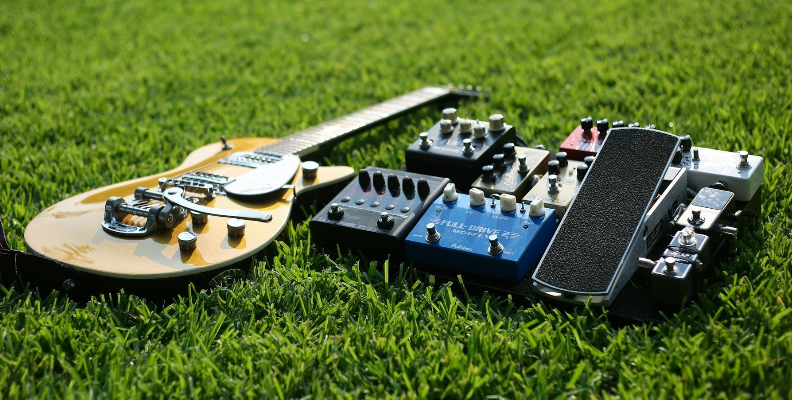
Delay:
- Drum Fills and Other Sounds: Delays on drums can be an incredibly effective way of producing different fills, transitions, and sounds that couldn't otherwise be achieved by a human drummer. Though using delay on real drums is effective, it works just as well on electronic drums or drum machines to add something different.
- Synths and Keyboards: Judicious use of a delay effect on keyboards or synths can take something ordinary and make it sound truly special. Whether you want to recreate that classic '80s synth sound, some '90s ambient, or something more contemporary, you can produce amazing results just with a little delay.
- Rhythmic Effect: A ping pong delay can create fascinating, rhythmic effects when properly controlled and can add much texture and depth to any recording.
- Guitar Ambience: If your guitar is sounding a little tinny or ineffective, some delay can add a lot of depth and dimension to the sound, though it's good practice to make small, incremental changes rather than just slapping it on and hoping for the best.
- Vocal Depth: A small amount of delay can "double" the vocal line, adding depth and making a weak vocal sound stronger. As with guitars, a short delay can go a long way!
Final Words
Delay and reverb effects can be incredibly useful tools in the arsenal of any music producer, and understanding what they are and how to use them can make a huge difference to the way any song sounds in its final mix.
So now you know, get to grips with both and see what a difference they can make!
FAQ
Is Reverb Better than Delay?
Reverb isn't better than delay, and delay isn't better than reverb. Rather, it's about finding the right effect to achieve the desired result. If you try to use delay to create atmosphere and a sense of place, it isn't going to work any more than using reverb to create interesting sonic ping pong effects.
Saying that, reverb and delay are clearly related. If you explore reverb and what you can achieve with it, you will get to learn its textures and finer parts, just as you will if you explore delay.
And reverb and delay aren't one "thing" - there are many reverbs and many delays. For example, a plate reverb creates a bright, smooth-sounding effect with a rich depth to the sound by vibrating a large metal plate (hence the name) with the audio signal.
This is recreated in plate reverb plugins digitally, but the effect is very different from, say, a spring reverb, which gives a splashy or dripping type of sound that's very popular in certain genres like surf music.
This is true for delay too, there are different types of delay that create different effects. Tape delay creates a warm, vintage sound by creating imperfect echoes as if the sound had been recorded on old analog magnetic tape. But this sounds very different from digital delay, which is sharper, more precise, and creates a clean type of delay.
The important thing is not whether one is better than the other, but rather which one fits the sound you want to achieve best.
What's the Difference Between Echo and Delay?
Delay is what happens when you record a sound and play it back after a specified period of time to achieve a desired effect. This is an artificial process that occurs when a sound has been recorded and has been processed by either a plugin or other method to achieve the delay.
Echo, however, occurs naturally when sound is reflected off various surfaces and then travels back to the person listening to it. Echo will also naturally decay - think of shouting in a cave and the way the word you shout will get gradually quieter and quieter. Delay, because it is artificially generated, can be kept going forever, or you can have it decay at a pre-defined rate.